Oud Incense: Everything You Need to Know Origin, benefits, types, and comprehensive buying guide
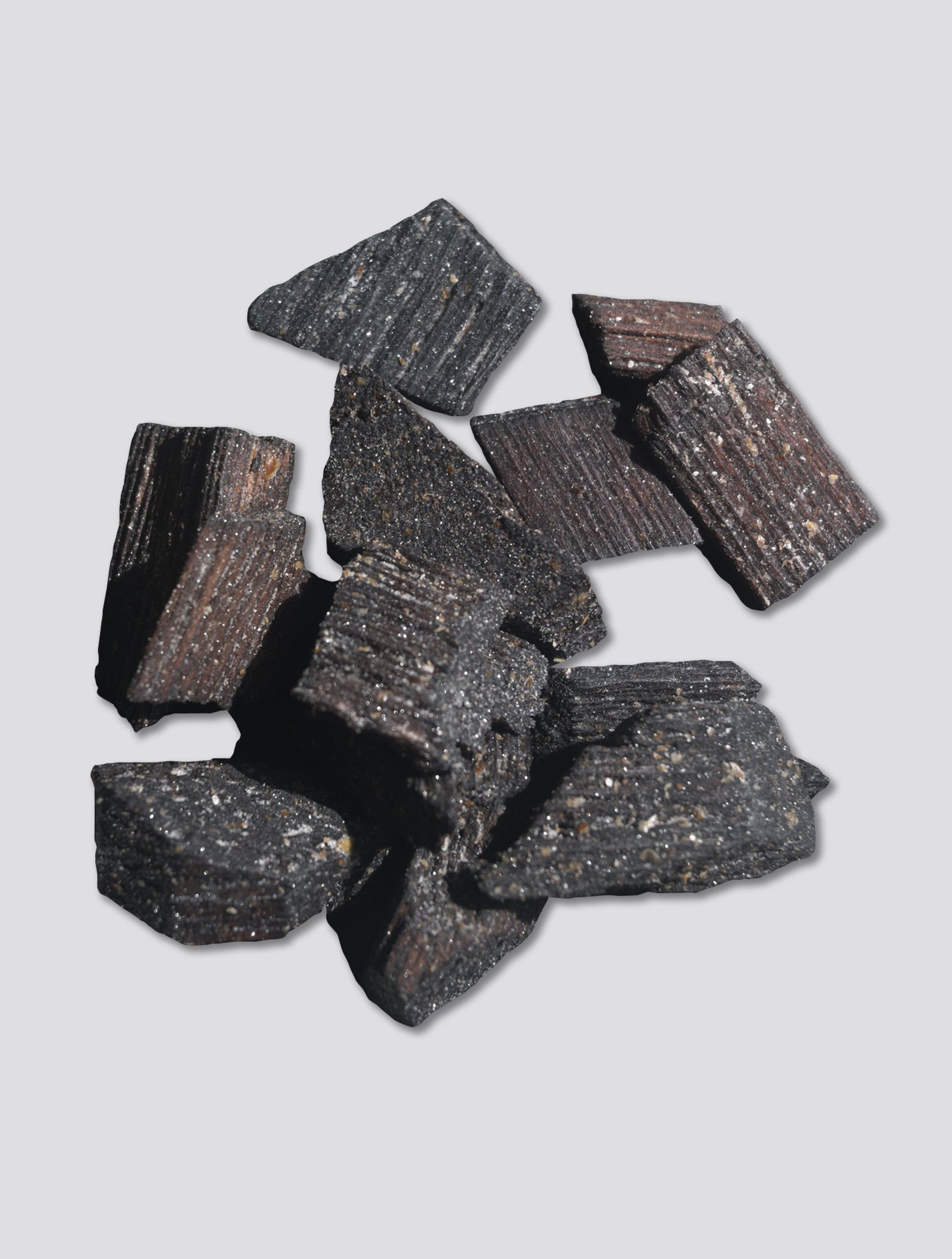
Oud Incense: Everything You Need to Know
Origin, benefits, types, and comprehensive buying guide
Updated: March 2026 | Reading time: 8 min
What is oud incense?
Oud incense, also known as agarwood or oud in Arabic, is one of the most precious and ancient aromatic substances in the world. Derived from a resin that forms naturally in trees of the Aquilaria genus, it is nicknamed the liquid gold of perfumers.
Contrary to popular belief, oud is not just another type of incense. It is a rare raw material, produced by a natural reaction of the tree to a fungal infection. Only 2% of Aquilaria trees spontaneously produce this resin, which explains its high price and less than legendary reputation.
The term oud incense refers to both the wood burned as incense, essential oils, sticks, and oud-based fragrance blends.
Origins and history of the oud
The oud is mentioned in texts dating back more than 3,000 years: in the Hindu Ramayana, in Muslim Hadiths, and in Chinese manuscripts from the Han Dynasty. Ancient trade routes carried it from the forests of India and Southeast Asia to the markets of the Middle East and Europe.
The main producing regions
- India (Assam, Meghalaya): oud considered among the finest in the world
- Cambodia and Vietnam: milder, slightly sweet notes
- Malaysia and Indonesia: earthy oud, less intense
- Saudi Arabia and Oman: rare local production, highly prized
- Bangladesh: Strong Growth in Production
In several cultures, the use of oud for fumigation is well known, making it a sacred incense for millions of people. It is still an essential part of wedding ceremonies and receptions in the Middle East today.
The benefits of oud incense
Beyond its captivating fragrance, oud incense has been used for thousands of years for its therapeutic and spiritual properties. Modern studies are beginning to validate certain properties traditionally attributed to agarwood oil.
Spiritual and cultural benefits
- Space Cleansing: Use in rituals to ward off negative energies
- Supports meditation and prayer through its deep olfactory grounding
- A symbol of hospitality and respect in Arab, Indian, and Japanese cultures
- Used in funeral, birth, and wedding ceremonies
Wellness benefits
- Relaxing and anxiolytic effects documented in several studies on agarwood oil
- Anti-inflammatory properties observed in vitro
- Promotes deep sleep when used in a diffuser in the evening
- Boosts concentration and mental clarity; ideal for Zen meditation sessions
The medicinal properties cited mainly concern oud oil and are the subject of preliminary research. Oud incense is not a substitute for medical treatment.
The different types of oud incense
There is a wide variety of oud-based products available. Each one has a different use and offers a distinct olfactory experience. Here are the most common forms on the French and international markets.
1. Raw oud wood (chips and shavings)
This is the purest and most precious form. Aquilaria wood chips are placed directly on hot coals or in an electric burner. The smoke produced is rich, complex, and long-lasting.
2. Oud incense sticks
Practical and accessible, they often blend oud wood powder with other resins such as frankincense or sandalwood. Ideal for everyday use, they allow you to introduce this legendary fragrance without investing in raw wood.
3. Oud bakhour cones and cakes
Bakhour is a traditional Gulf blend made from oud, fragrant oils, roses, and other spices. It comes in small cubes or cones and is burned on charcoal in a special incense burner called a makara. The scent is extremely intense and long-lasting.
4. Oud oil (attar)
Non-alcoholic, pure oud oil or diluted in a base oil is used in natural perfumery, massage, and skin application. A single drop can provide fragrance for an entire day. It is the most concentrated form and has the longest diffusion time.
5. Oud and frankincense blends
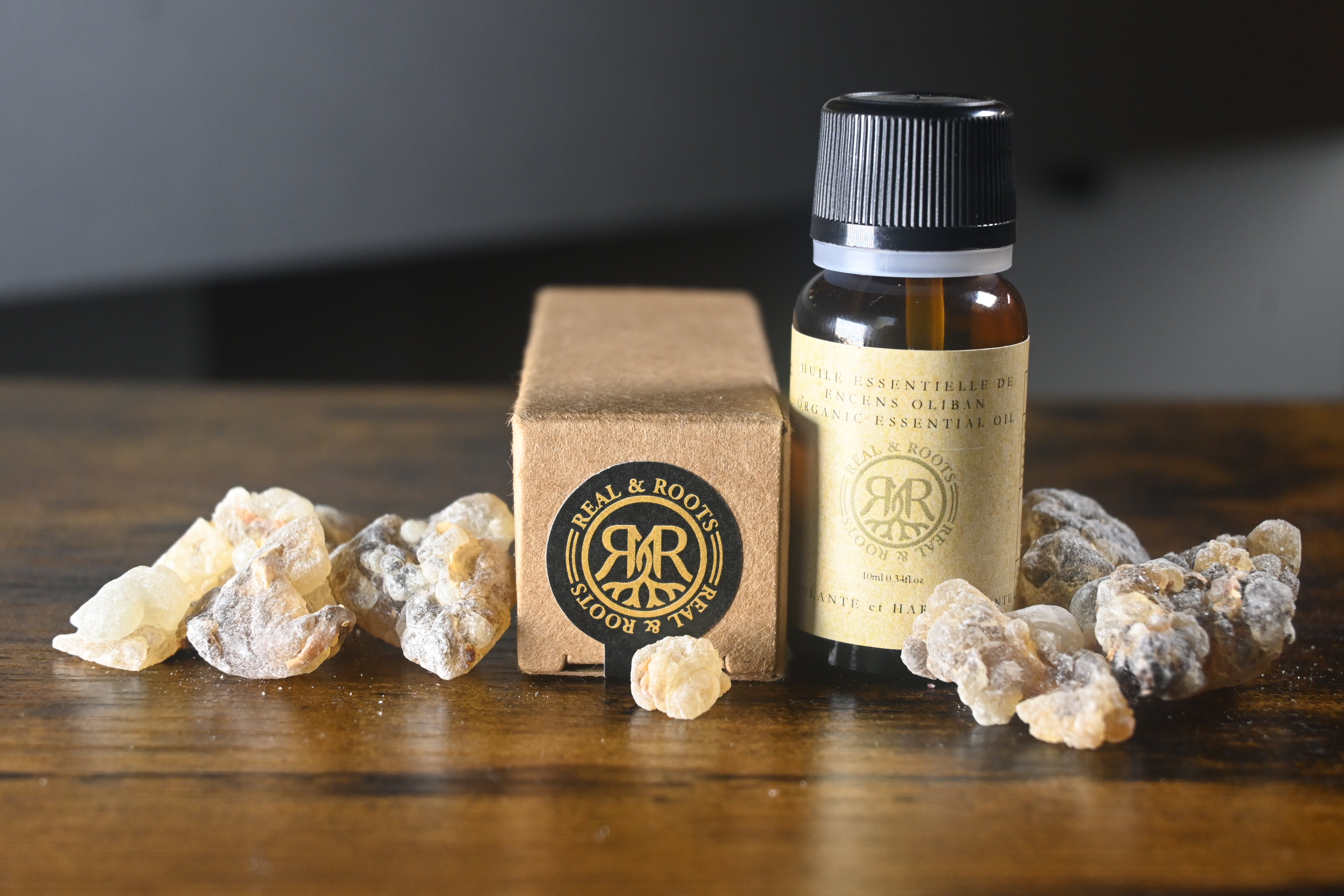
The combination of oud and frankincense (boswellia) is particularly appreciated in the Sufi and Eastern Christian traditions. Frankincense brings a resinous and spiritual note that complements the woody depth of oud. It is a marriage of the two most sacred resins in history.
Comparison of types of oud incense
|
Type of oud incense |
Origin |
Intensity |
Average price |
For ideal |
|
Pure oud (raw wood) |
India / Assam |
Very intense |
60-200 euros/g |
Connoisseurs, rituals |
|
Oud incense sticks |
Saudi Arabia, Morocco |
Moderate |
5-20 euros/box |
Daily, beginners |
|
Oud cones |
Middle East |
Intense |
€8–25 per box |
Meditation, atmosphere |
|
Oud oil (attar) |
Cambodia, Oman |
Very intense |
20-100 euros/ml |
Perfumery, skin |
|
Oud and etoliban blend |
Varied |
Intense |
10-40 euros/100 g |
Well-being, purification |
|
Oud bakhour |
United Arab Emirates, Qatar |
Intense |
15-60 euros/box |
Home, hospitality |
The prices indicated are indicative ranges for the French market in 2026. High-quality raw oud (Kynam) can exceed €30,000/kg.
How to choose your oud incense?
With so many options on the market, here are the key criteria to help you make the right choice.
Signs of a high-quality oud
- The scent should be complex and evolve over time (top, middle, and base notes)
- The wood should be dark, almost black in the most resinous areas
- An authentic oud that burns slowly and does not emit any acrid or chemical smoke
- The geographical origin is clearly indicated (Assam, Cambodia, Oman...)
- Give preference to specialized sellers who provide detailed descriptions of the origin
Signs of poor-quality oud
- Price too low (less than 5 euros for supposedly pure raw wood)
- Chemical smell, overly sweet, or similar to cheap deodorant
- Lack of information on the origin
- Sticks that burn out quickly or emit thick black smoke
What is it used for?
Beginners: Start with oud sticks or bakhour, which are more accessible and less overwhelming to the nose.
Daily use and purification: The oud and frankincense stick blend offers excellent value for money.
Whether you're a connoisseur or a collector: invest in raw Indian or Cambodian wood chips.
Fragrances and body care: Diluted oud oil is perfect for direct application to the skin.
How to use oud incense?
Method 1: on burning charcoal
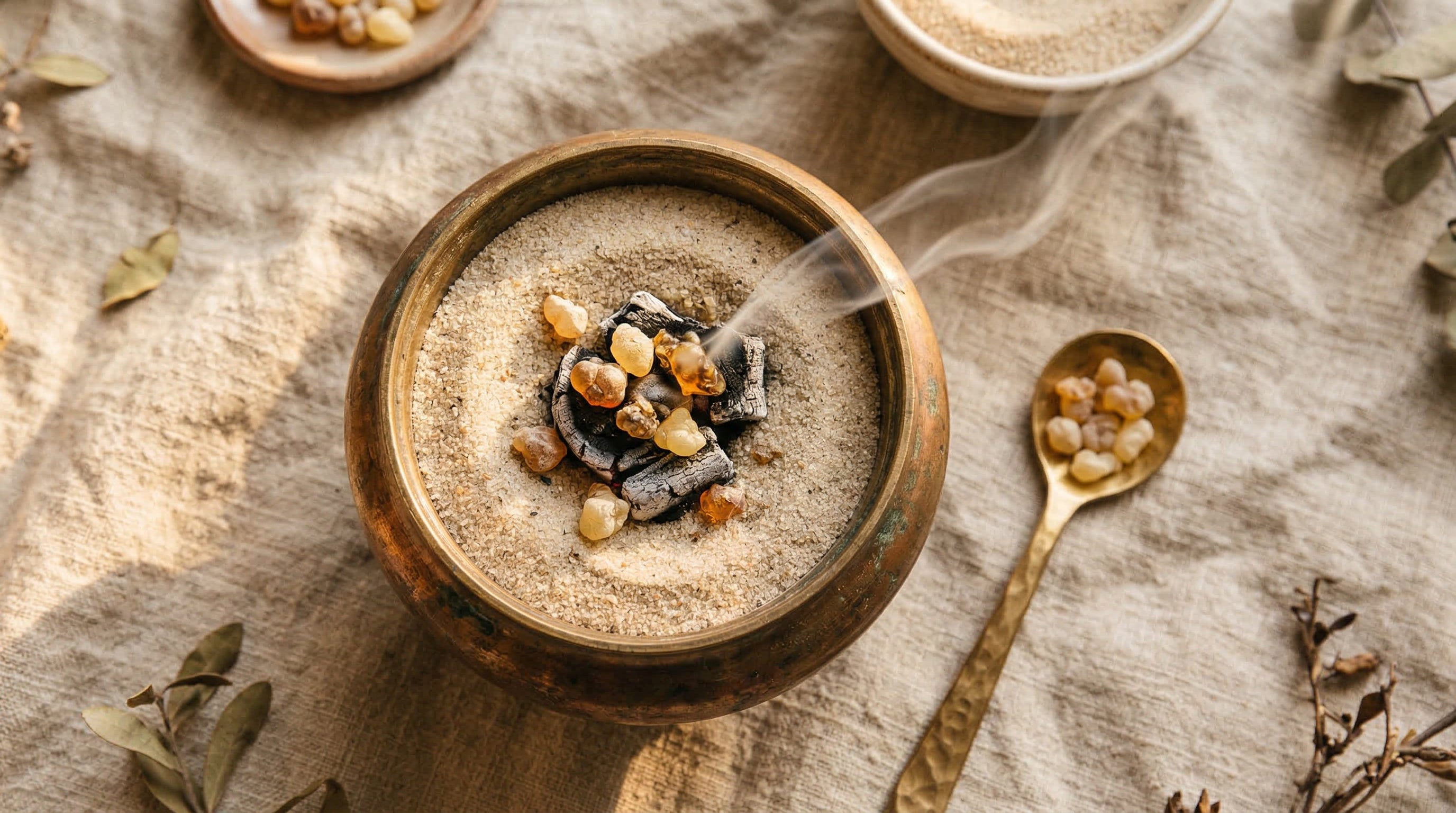
This is the traditional method. Light a high-quality charcoal, wait until it is completely red, then carefully place a few shavings or a small amount of bakhour on top. Allow the smoke to rise freely into the room. This method produces direct, intense combustion, ideal for ceremonies and large spaces.
Method 2: using a candle holder (indirect heat)
This technique involves placing oud chips on a metal support or grid positioned above a tea light candle. The oud does not touch the flame: it is the radiated heat that causes it to diffuse gradually. The result is a softer, more nuanced diffusion that lasts much longer than with charcoal. The top and middle notes of the oud are revealed with greater finesse. This method is particularly popular for everyday use at home, as it produces little or no visible smoke and does not blacken the wood.
Tip: Use an unscented candle so as not to alter the natural notes of oud. Keep a distance of about 5 to 8 cm between the flame and the holder for optimal diffusion without burning the wood.
Method 3: Electric burner
Increasingly popular, electric burners heat wood at low temperatures without carbonizing it. The result is a purer, longer-lasting, smoke-free diffusion. Ideal for indoor spaces or for those sensitive to smoke.
Method 4: Sticks and cones
The simplest method. Light the end, blow out the flame after a few seconds, and let the stick burn out in a suitable incense holder. Ventilate the room slightly after 10 to 15 minutes to balance the intensity.
Safety tips
- Never leave a lit incense stick unattended
- Use a stable, heat-resistant incense holder
- Ventilate the room regularly, especially when children or pets are present
- Make sure to properly extinguish the charcoal or candle before leaving the room
Frequently asked questions about oud incense
What is the difference between oud and frankincense?
Frankincense (boswellia) is a resin from trees in Africa and the Middle East with fresh, cedar-like notes. Oud is a resin from Asian trees with a deeper, woodier, and more animalic scent. The two complement each other perfectly in blends.
Can the oud be used for meditation?
Absolutely. For centuries, oud has been used by Buddhist practitioners in Japan and China, as well as by Sufis. Its deep fragrance promotes grounding and concentration. Burn a few shavings or a stick before your meditation session.
How long does oud incense smoke last?
A stick generally lasts 30 to 60 minutes. Raw wood chips on charcoal can diffuse for 1 to 3 hours depending on the quantity. With an indirect heat candle holder, diffusion can last for 2 to 4 hours very gently. Oud oil applied to the skin can last for 8 to 12 hours.
Where can you buy high-quality oud incense in France?
Choose specialty shops that focus on natural incense and resins, such as realandroots.com, which offer a selection of authentic oud incense, oud and frankincense blends, and bakhour with traceable origins.
What is the difference between oud and musk?
Musk is an animalic or synthetic note used as a fixative in perfumery, with a warm, enveloping character. Oud is a plant resin with woody, smoky, and complex notes. The two are often combined in oriental perfumes because their scent profiles complement each other perfectly: musk anchors and prolongs the release of the oud.
Is the oud harmful to your health?
Natural oud incense, when burned in a well-ventilated area, poses no particular risk to healthy adults. However, it is not recommended to expose infants, pregnant women, and people with asthma to prolonged exposure to incense smoke in a confined space. Always choose natural products without added chemicals, and ventilate the room regularly during and after use.
How to store oud incense?
Oud should be stored in an airtight container, away from light, moisture, and temperature fluctuations. Raw wood improves with age: a well-preserved oud will develop more complex notes over several years. Avoid contact with other strong fragrances that could alter its scent profile. For storage, wrought iron or copper containers are particularly suitable: these metals are naturally airtight, protect against temperature fluctuations, and do not interfere with the aromatic molecules of the oud. Copper also possesses natural antibacterial properties that preserve the integrity of the wood over time.
At Real and Roots , we offer a selection of tin and copper boxes specially selected to store and showcase your resins and precious woods.

Conclusion
In conclusion, oud incense is much more than just a room fragrance. It is a natural treasure with multiple virtues and an extraordinary sensory experience. Whether you are discovering it for the first time through a stick, or you are a connoisseur in search of exceptional Assam chips, there is an oud for every taste and every budget.
Discover our selection of Oud incense
At Real and Roots , we carefully select each oud incense, bakhour, and oud-and-frankincense blend to offer you authentic quality that honors tradition.

Create a moment of calm
Discover our natural rituals to slow down, breathe, and restore balance to your daily life.
Discover the rituals