Oud: Origin, Benefits, and a Comprehensive Guide to the Rarest Wood
Oud: Origin, Benefits, and a Comprehensive Guide to the Rarest Wood
realandroots.com | March 2026
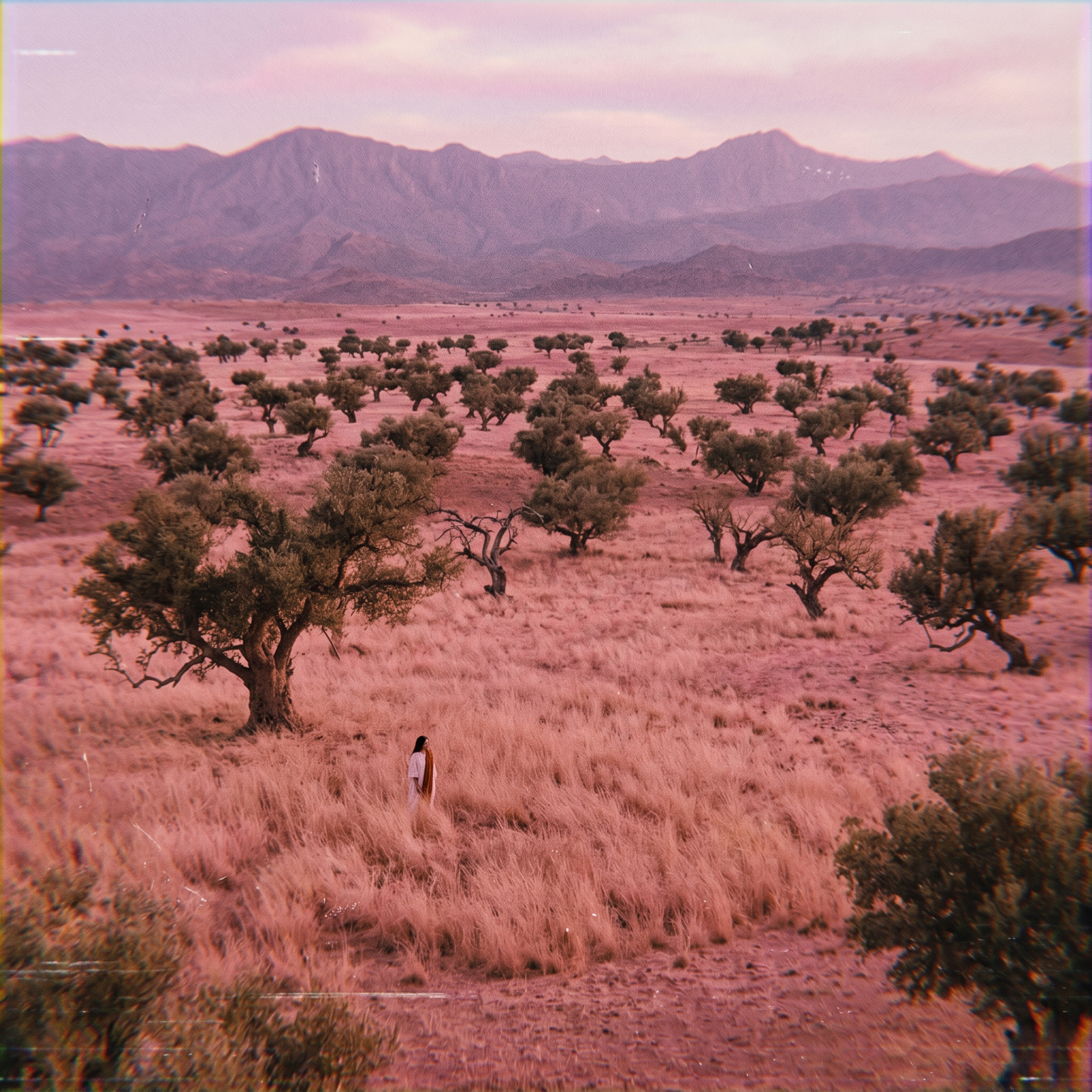
A tropical tree is attacked by a fungus. To defend itself, it slowly secretes a dark, dense resin with a powerful scent. The global market for agarwood essential oil was valued at $235.9 million in 2023. This resin isoud, one of the most sought-after raw materials on the planet.
Also known as agarwood, calambac, or “liquid gold,” oud has fascinated people for over three millennia. Its powerful, woody, musky scent has earned it the name “the wood of the gods” in many traditions. Today, it is used in incense rituals, luxury perfumery, and natural skincare. In France, enthusiasm for this noble material continues to grow, driven by a return to natural ingredients and a focus on slowing down.
What exactly is the oud?
The word “oud” comes from the Arabic عُود, which simply means “wood.” In perfumery and incense, it refers to the agarwood resin produced by trees of the Aquilaria genus. Oud comes from a tropical tree that, when infected by a fungus called Phialophora parasitica, produces a precious resin.
This natural defense mechanism is extremely slow. It takes a tree about 30 years to reach maturity; it takes up to 5 years for the fungal infection to become detectable; and then it takes another 6 months or more for the tree to finally secrete the resin. It is this patience of nature that gives oud its unique olfactory depth: woody, smoky, leathery, and slightly animal notes.
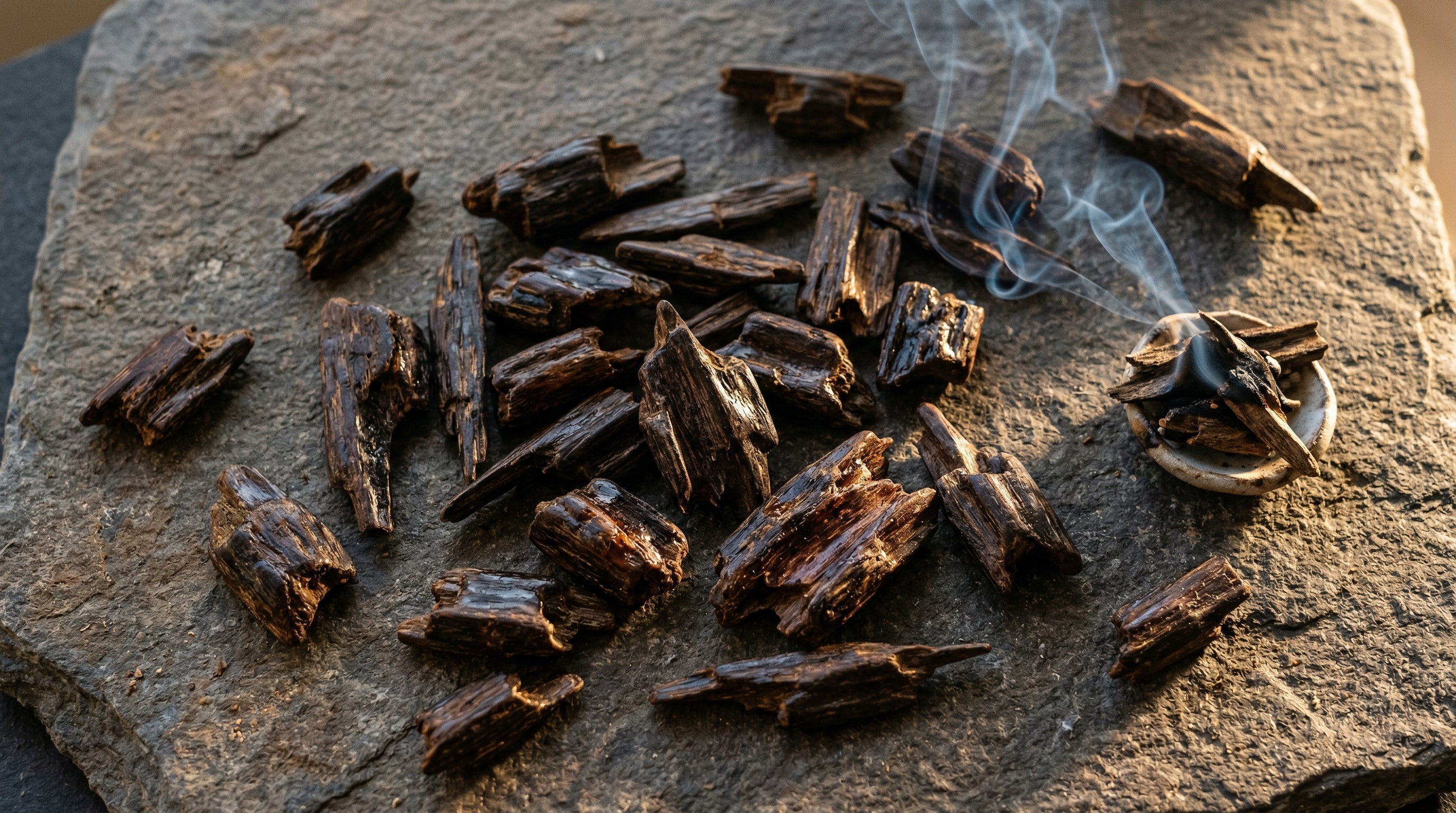
There are three main forms available on the market: raw wood, powder, and oil. Each is suited to a specific use, ranging from direct fumigation to incorporation into body care products.
Why is oud so rare and so expensive?
Only one in every hundred trees naturally contains this resin. That figure alone is enough to convey just how rare oud is. Add to that decades of aging and a traditional extraction process, and you have one of the most expensive materials on the market.
Agarwood can fetch up to €40,000 per kilogram, while the oldest oils command even higher prices. “Young” oud wood sells for around €15,000 per liter, while “old” oud wood can reach as much as €60,000 per liter.
This scarcity has led to alarming levels of overexploitation. Today, Aquilaria trees are protected in several countries; controlled grafting methods allow for more sustainable production. The agarwood market is thus gradually shifting toward a balance between wild harvesting and responsible cultivation.
A thousand-year history blending spirituality and luxury
The earliest evidence of the use of oud dates back more than 3,000 years. The sacred texts of Hinduism, the Vedas (circa 1400 B.C.), already mention it as a symbol of wealth. The Old Testament of the Bible refers to agarwood on several occasions, and Muslim tradition reports that the prophets purified their garments with its smoke.
Throughout history, agarwood has been used for medicinal, spiritual, religious, and artistic purposes. In the Gulf countries, burning oud remains a daily gesture of hospitality. In Southeast Asia, it is used in ceremonies at Buddhist and Hindu temples.
In Japan, the Kōdō ceremony (the “Way of Incense”) elevates the appreciation of oud to an art form. This centuries-old tradition involves “listening” to the fragrance rather than simply smelling it. To delve deeper into the world of incense, our guide tooud incense: everything you need to know about its origins and benefits offers a comprehensive overview.

Olfactory profile: What does oud smell like?
It is impossible to describe oud in a single word. Its aromatic profile unfolds in many facets that vary depending on its geographical origin, the age of the tree, and the extraction method.
Connoisseurs distinguish between different geographical origins, each with its own distinct aromatic nuances: Cambodian oud is renowned for its sweetness and floral notes, Indian oud for its earthy and powerful character, while Vietnamese oud offers unparalleled complexity.
Generally speaking, oud offers a warm, woody, and smoky profile, with leathery notes and a hint of earthiness. It is this richness that makes it a prized base note in perfumery: it anchors the compositions and gives them exceptional longevity. When burned as chips, oud releases a dense veil of smoke that lingers in a room for a long time.
The Benefits of Oud
Agarwood oil is known for its anti-inflammatory, antimicrobial, and soothing properties, making it a popular choice in aromatherapy. Here are the main benefits associated with agarwood:
• Calm and mindfulness: burning oud promotes a sense of calm that is ideal for meditation or simply for unwinding at the end of the day.
• Air purification: Burning oud is a traditional way to purify a living space, a practice that is still common in the Middle East and Asia.
• Anti-inflammatory properties: In traditional medicine, oud oil is used to relieve certain muscle tensions and mild inflammation.
• Emotional grounding: Its deep fragrance is used in aromatherapy to promote concentration and mindfulness.
To enhance the experience of oud bakhour, a few simple steps are all it takes to transform an ordinary moment into a true ritual.
How can you use oud in your daily life?
The oud isn't just for special occasions. When incorporated into a simple routine, it becomes an accessible skincare tool.
Fumigation using wood chips or resin
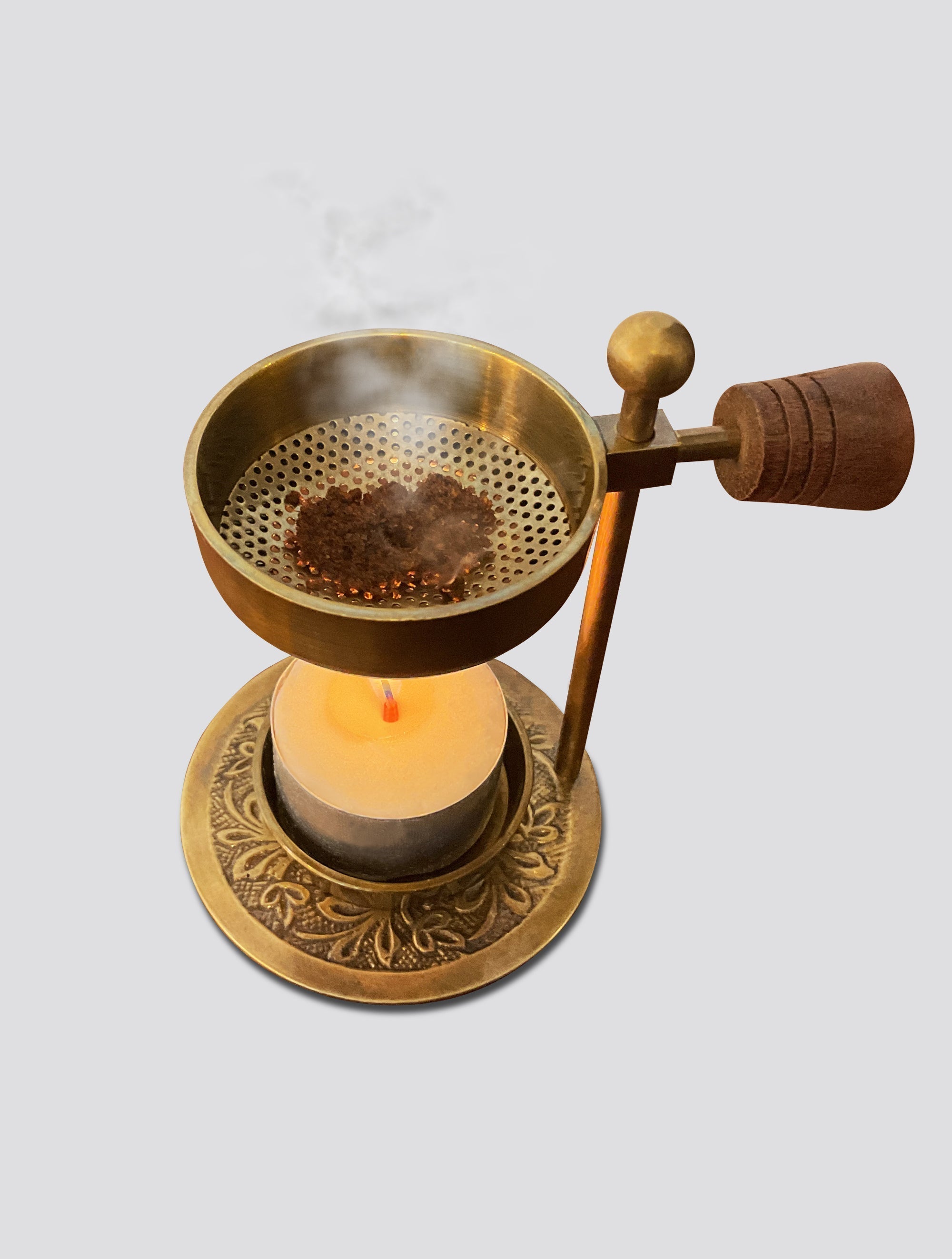
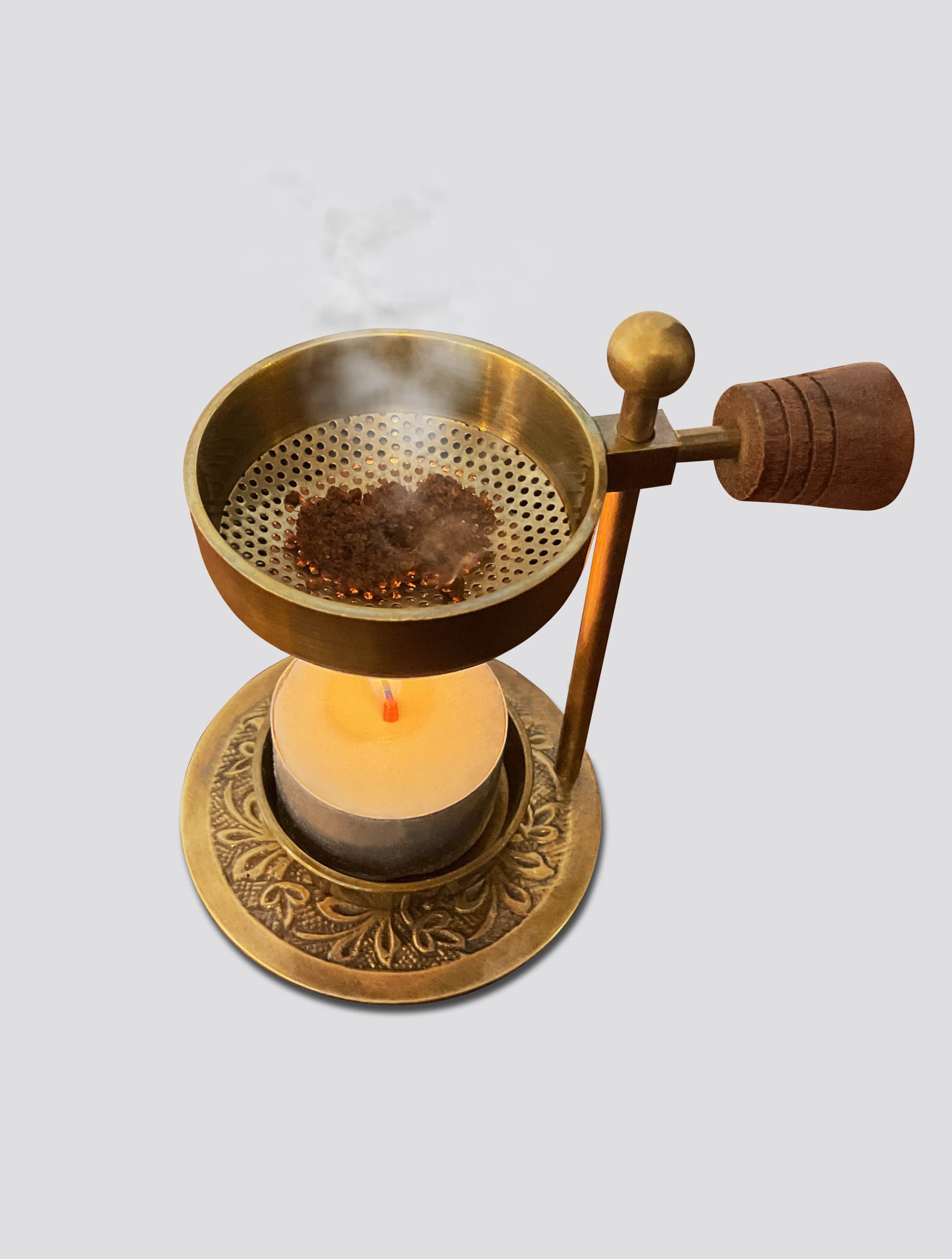
The oldest method involves placing a small piece of agarwood or resin on a glowing charcoal in a suitable burner. The smoke that rises from it perfumes and purifies the space. To master this technique, check out our guide on how to burn oud incense in resin or grain form.
Oud-scented incense
Bakhour is a blend of wood shavings, resins, and aromatic oils, with oud often serving as the main ingredient. To understand its nuances, check out our article on bakhour: history, types, and how it differs from incense provides valuable insight.
Oud Body Oils
Oud blends beautifully with plant-based oils to create nourishing and fragrant skincare products. When applied to the skin, an oud-based oil leaves a subtle, long-lasting scent while moisturizing.

A rapidly growing global market
The global agarwood essential oil market, valued at $235.9 million in 2023, is projected to reach $388.5 million by 2031, with a compound annual growth rate of 6.53%, according to the research firm Kings Research.
This trend is driven by growing demand for natural products, the therapeutic benefits of the oil, and its rising popularity in the luxury fragrance industry.
Agarwood is now strictly protected. Growing interest in oud in Europe has driven up demand, leading to the creation of new plantations and the development of synthetic oud. Enthusiasts of authentic rituals continue to prefer natural oud, whose olfactory complexity remains unmatched by synthetic versions.
Choosing the Right Oud: Key Considerations
Given the wide variety of products available, a few guidelines can help you make an informed choice. The quality of the resin depends on many factors: the tree species, the region of origin, the duration of secretion, and the type of infection. Here are the criteria to keep in mind:
• Geographical origin: Cambodia (mild, floral), India (earthy, powerful), Vietnam (complex), Indonesia (woody, balsamic).
• Purity: 100% pure oud offers authentic benefits and fragrance; be wary of blends mixed with synthetic oils.
• Form: chips for direct fumigation, oil for skincare and perfumery, powder for bakhour.
• Age: the longer the resin has matured within the tree, the richer and more nuanced the aroma profile will be.
We select each product for its authenticity and traceability. Our oud Écho de Srinagar, for example, exemplifies this standard with an earthy, enveloping profile, true to the Indian tradition of agarwood.

Oud spans three millennia of rituals and perfumery. With a market projected to exceed $388 million by 2031, this resin is cementing its status as liquid gold. What makes the difference in everyday life is the quality and authenticity of the material we choose to burn or apply to our skin. Pure, unprocessed, and handcrafted resins allow you to fully experience this ritual. To discover an exceptional oud selected for its purity, explore Voile Noire oud and its depth.
Frequently Asked Questions
Is the oud harmful to your health?
High-quality natural oud poses no known risks when used under normal conditions (smoking in a well-ventilated area, or applying it to the skin after diluting it in a vegetable oil). However, it is recommended to avoid prolonged inhalation of smoke in enclosed spaces and to verify the product’s purity to ensure it contains no chemical additives.
What is the difference between oud and bakhour?
Oud refers to the pure resin of agarwood, while bakhour is a blend made from wood shavings, resins, oils, and sometimes sugar or honey, with oud often serving as the main ingredient. Bakhour offers a more complex fragrance; pure oud is more intense and direct. You can find this distinction in our collection, notably with Larmes d’Agar oud, a pure oud with character.
How long does the scent of oud last?
When burned, oud continues to scent a space for several hours after the flame has gone out. When applied to the skin as an oil, its scent can linger for 8 to 12 hours, or even longer for the most concentrated oils. It is one of the raw materials with the longest-lasting scent in natural perfumery.